Quick verdict
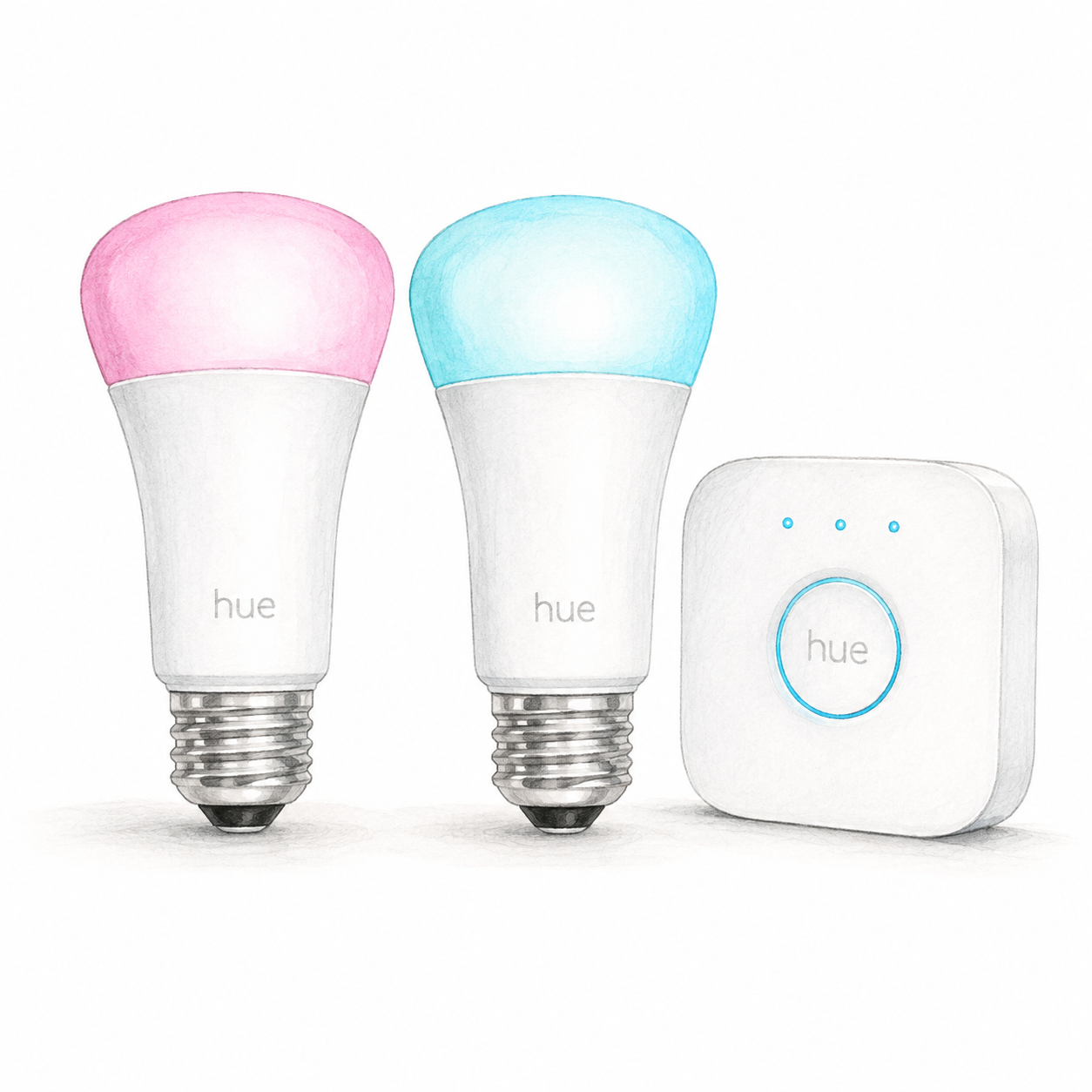
This catalog entry identifies kit 562918 (UPC 046677562915), with two E26 white-and-color bulbs and a Hue Bridge. Its previous Amazon link pointed to a Bridge-only listing and has been corrected. Hue’s documentation distinguishes Bridge-connected lighting from direct Wi-Fi bulbs. This is document-based guidance, not a physical evaluation of color quality, reliability, or scene performance. Confirm the seller’s package and firmware; do not transfer Bridge Pro specifications to this kit.
Specifications and setup notes
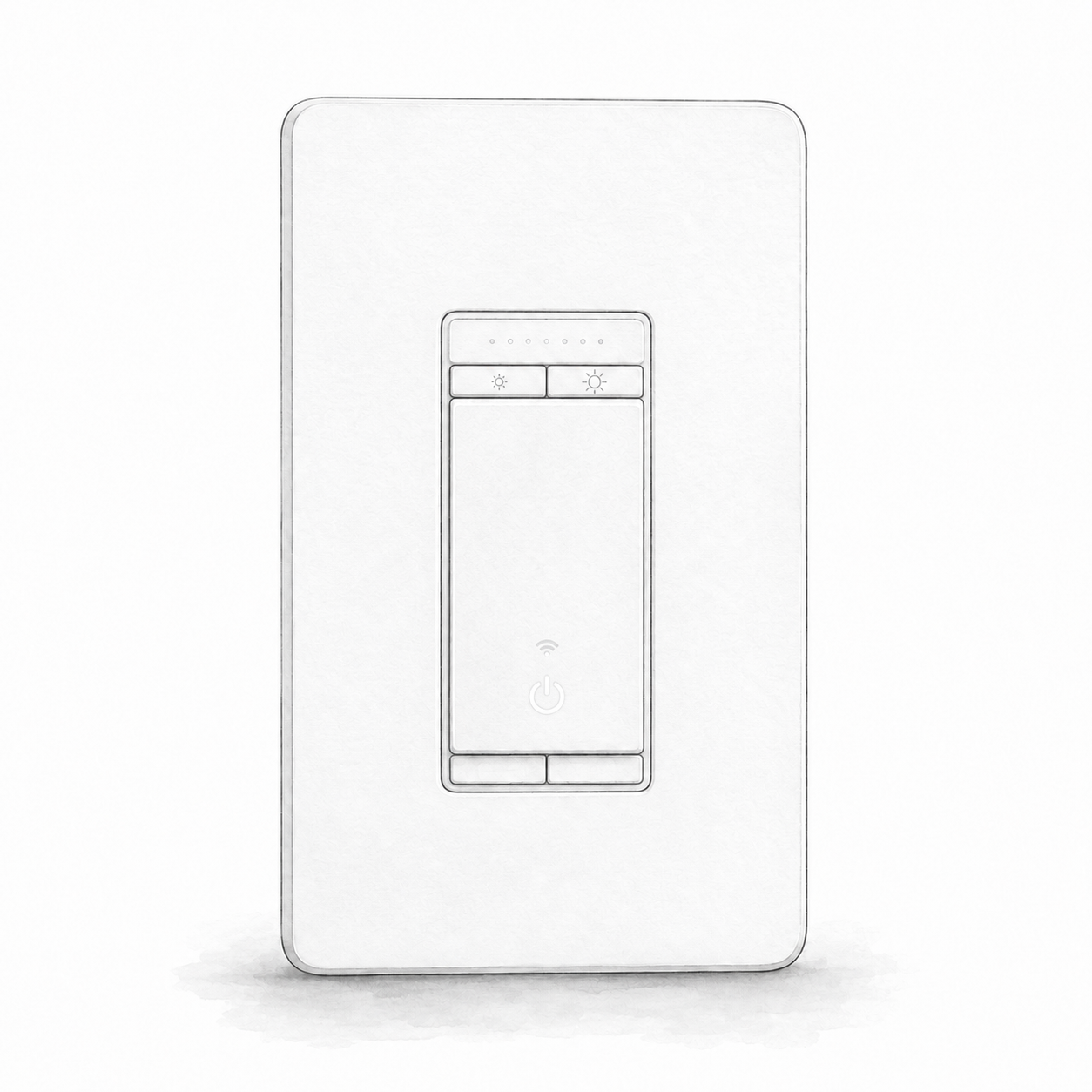
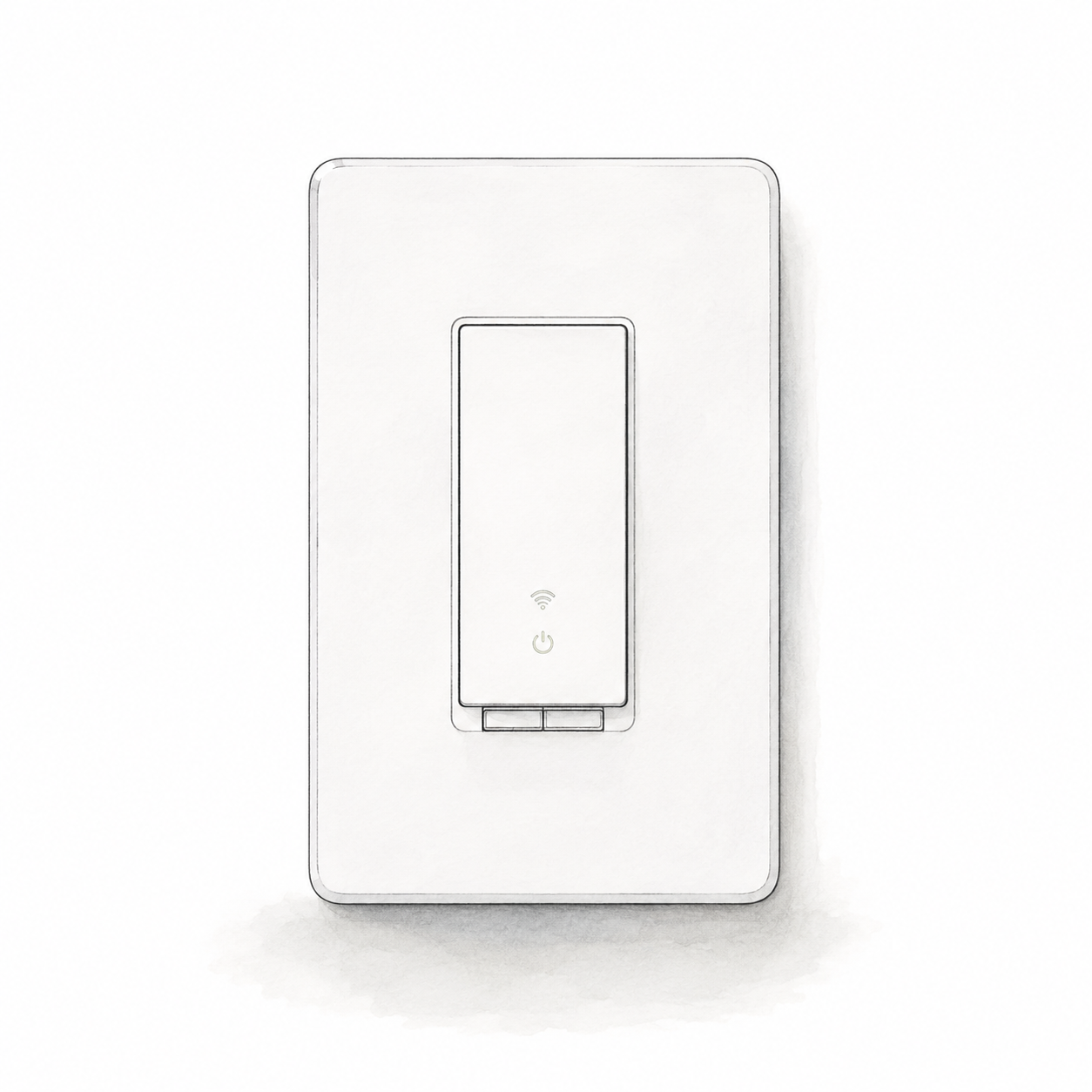
Start with the two intended E26 fixtures and the controls household members will use. Hue’s wall-switch guidance explains the need to maintain power to connected bulbs; its UK wiring examples are region-specific, not US installation instructions. Use the kit’s installation requirements for the documented US setup.
Pros and cons
The documented Bridge and app setup gives a concrete expansion path for supported lights and accessories. Tradeoffs include the actual kit contents, power to the bulbs, account setup, and the controls needed by other household members. No current price, rating, or customer-adoption claim is verified here.
Comparison context
Compare bulbs with wall switches according to the fixture and control method. A color bulb addresses a different requirement from switching a whole circuit. This article has no measured basis for a price, reliability, or long-term platform advantage over competing products.
Best fit in a real home
This two-bulb kit is a candidate for a room with compatible E26 fixtures and a plan for Bridge-connected lighting. Color control serves a different purpose from basic white lighting; the kit format alone does not establish better reliability, longevity or value.
List the rooms, fixtures, and accessories that would actually be used before comparing systems. Buying a larger kit is not inherently better than starting with one lamp. Compare the complete current configuration, including the Bridge and control accessories, without assuming the historical catalog price still applies.
Setup and ownership notes
Check the kit identity evidence before comparing the current seller package. The documented two-bulb-and-Bridge configuration does not establish the installed firmware, accessory support, or suitability of every fixture. Plan any additional switches or sensors as separate model-specific checks.
Buying advice
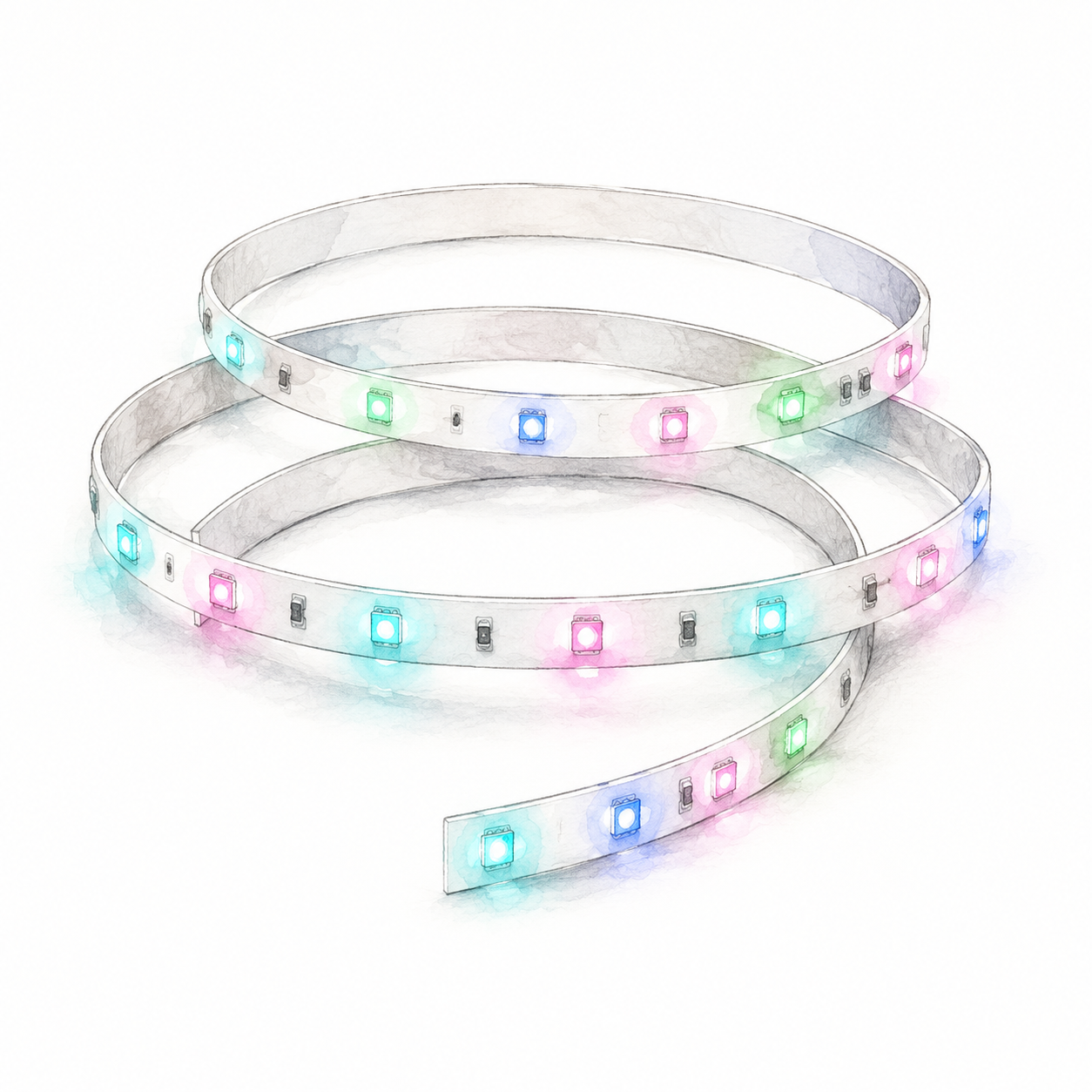
Consider this kit if its documented control approach matches the room plan. Compare model-specific bulb, strip, and switch options in the room-control guide. Verify the exact kit’s socket type, generations, included Bridge, and compatibility; the generic kit name does not resolve those details.
FAQ
Does FlowHome earn a commission? Yes. As an Amazon Associate, FlowHome may earn from qualifying purchases.
Should I buy immediately? Check the exact bundle, total setup cost, and current seller terms first. An old deal snapshot is not a current offer.
What should I check first? Confirm bulb socket type, number of rooms, bridge or hub requirements for the exact bundle, voice-assistant fit, and whether smart bulbs or smart switches are the better control model for that room.